
By Zvi Lifshiz, Chief Strategy Officer for the City of Maple Ridge, where he leads long-term strategy, innovation, and city transformation initiatives.
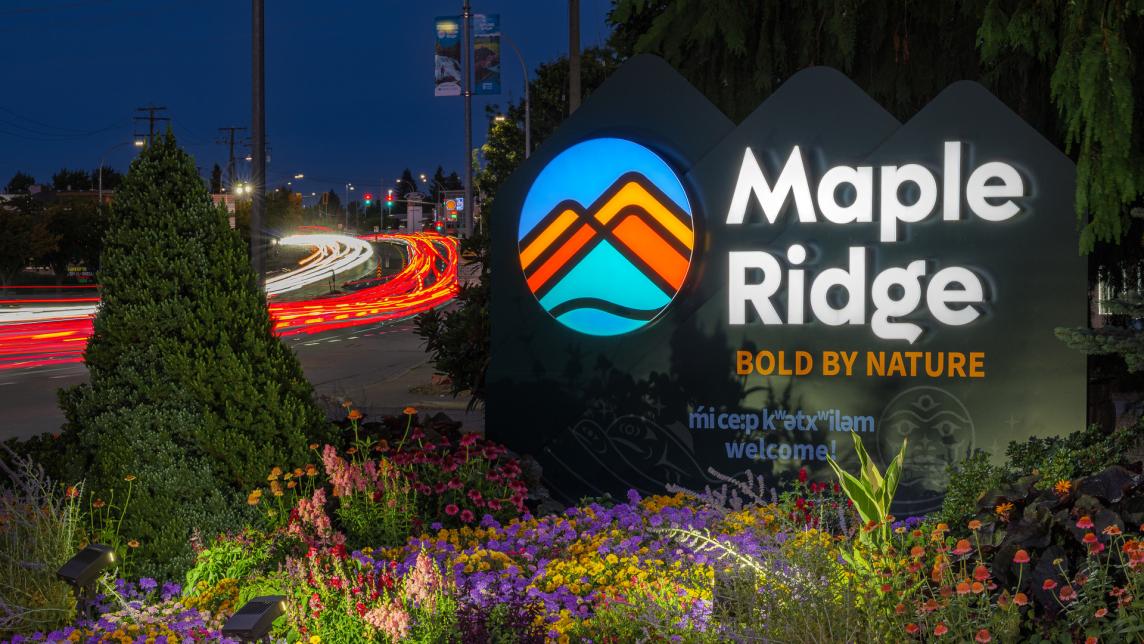
If you haven't been to Maple Ridge in a while, it's changed. A lot. For a long time, Maple Ridge has been seen as a sleepy suburb on the edge of Metro Vancouver. It was viewed as a place people moved to for affordability or space, but not necessarily a place investors or businesses saw as a major opportunity.
That perception is outdated. Maple Ridge is now at a pivotal moment in its growth story. In every region's evolution, there is a point when the future becomes visible before the market has fully priced it in. In Metro Vancouver, that moment once belonged to communities like Surrey and Langley. Today, Maple Ridge is emerging as one of the Lower Mainland's most compelling next growth opportunities.
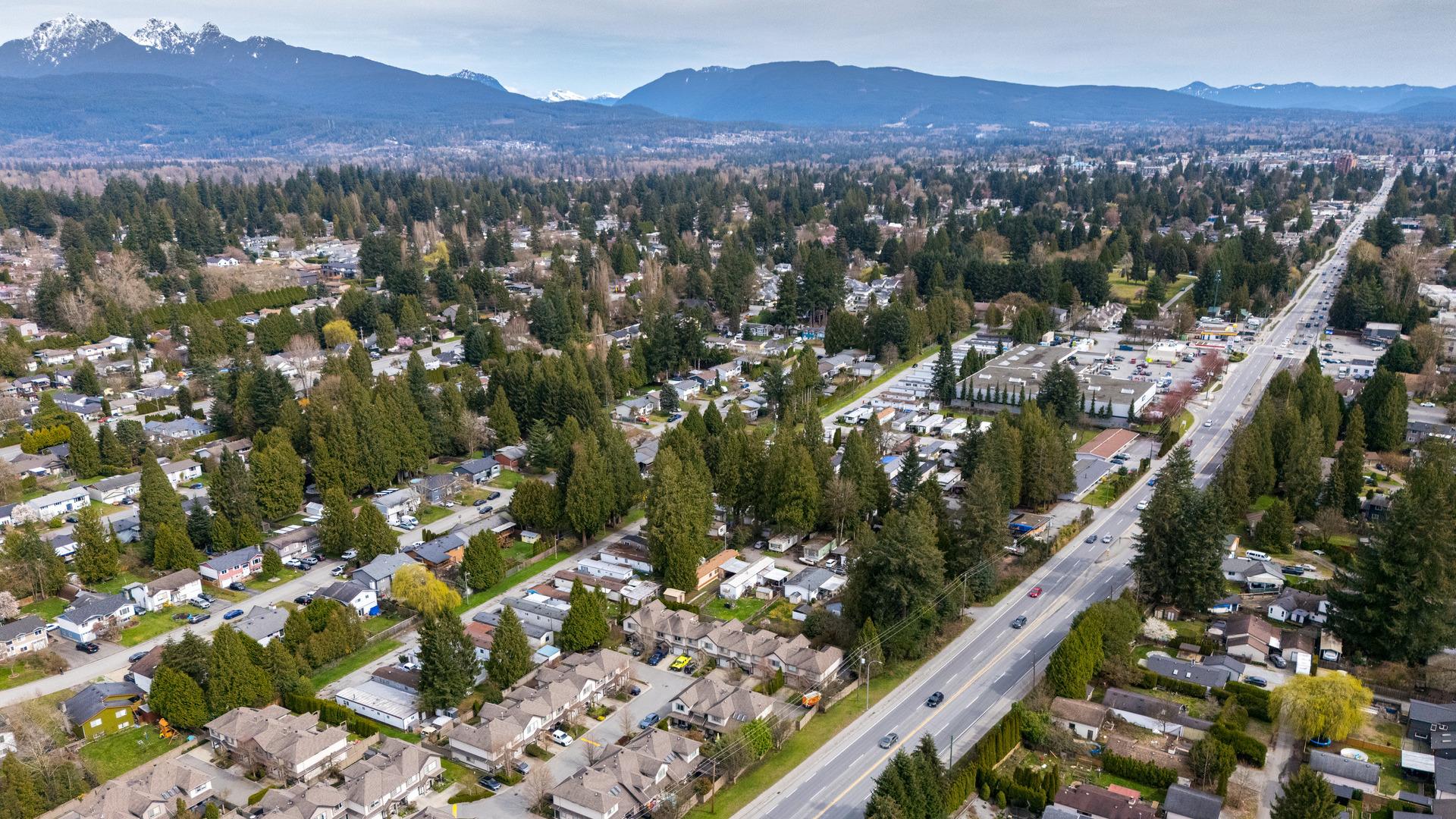
The city sits at an important intersection between Metro Vancouver and the Fraser Valley—two fast growing, dynamic regions within BC. As growth continues to move east, transportation investments are reshaping commuting patterns. As businesses look for room to expand, Maple Ridge is increasingly positioned not at the edge of the region, but at the centre of where the region is heading next.
Several shifts are converging at once: population growth, the Lougheed Transit Corridor, Bus Rapid Transit, City Centre intensification, new employment lands, and infrastructure investments in water, recreation and servicing. At the same time, the City is improving how it works internally and how it supports development and investment. Together, these changes are creating a new kind of opportunity. One of the biggest shifts happening in Maple Ridge right now is scale. Historically, growth here was more gradual and primarily residential. That is changing. The city is now at a point where larger mixed-use projects, transit-oriented development, and employment-focused growth are becoming much more realistic and achievable. Plans around the Lougheed Transit Corridor, Bus Rapid Transit, City Centre intensification, and major infrastructure investments are starting to connect and reinforce one another, shaping how Maple Ridge grows over the next several decades.
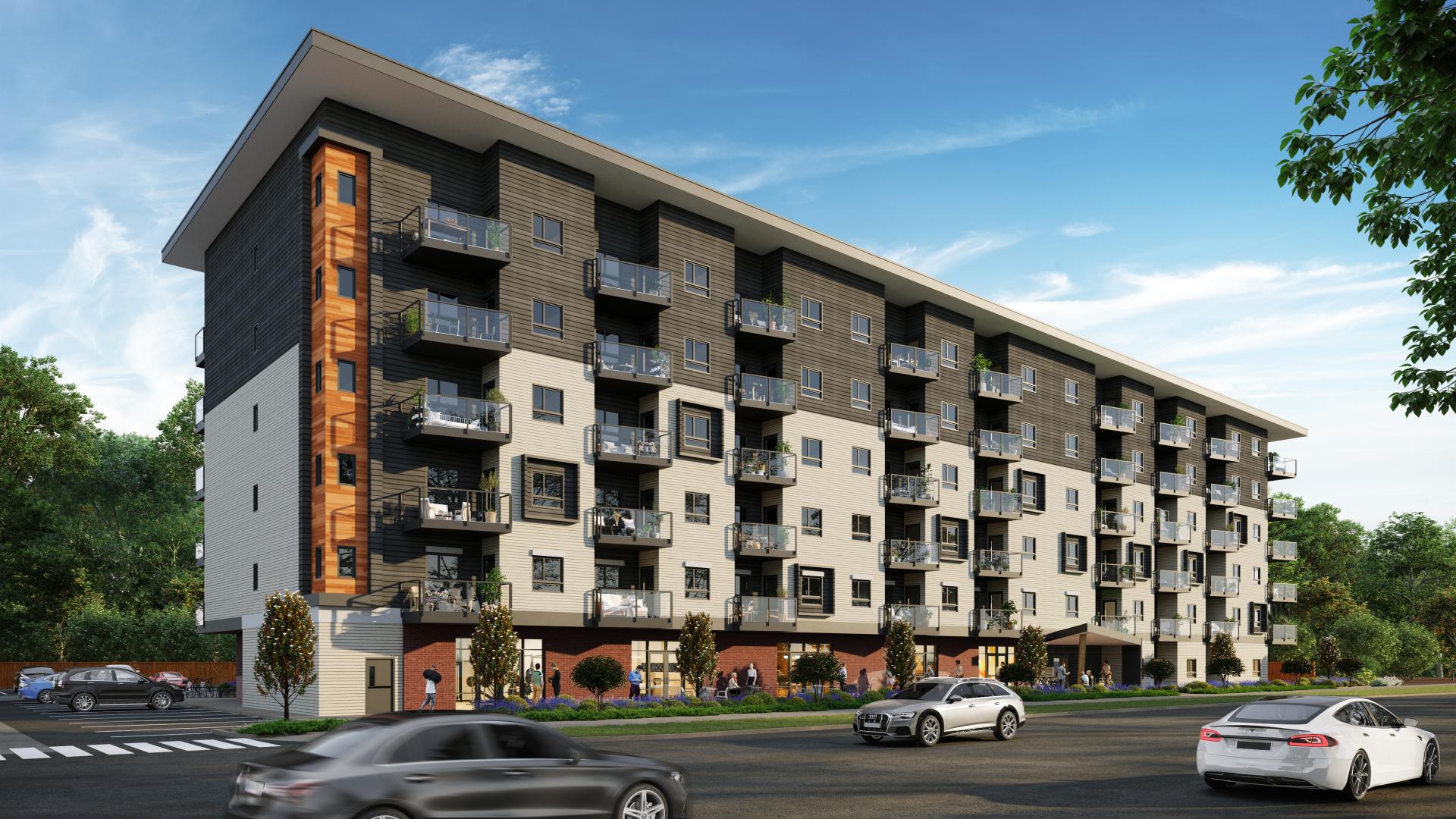
Much of this opportunity lies with urban infill, redevelopment, and the evolution of key corridors over time. Experienced developers understand the value of entering markets early, before they become fully built out and highly competitive. Maple Ridge is at that stage now.
At the same time, the City recognizes that long-term growth cannot be driven by housing alone. A major focus right now is creating a more complete and resilient economy by expanding employment opportunities and diversifying the local economic base. That includes bringing new industrial and employment lands online through initiatives like the North 256 area plan, which is creating more than 500 net acres of industrial land.

The City is also looking beyond its existing strengths and asking how Maple Ridge can diversify its economy in ways that align with provincial and federal priorities. That includes opportunities in areas such as construction innovation, aerospace, tourism, and trade-enabling industries.
For developers and investors, that broader economic story matters. Communities are stronger when jobs, housing, transportation, and amenities evolve together. People increasingly want complete communities where they can live, work, and spend their time without relying on commuting elsewhere in the region. Maple Ridge is actively planning for that future.
The other important shift underway is cultural. Municipalities often say they welcome development, but developers do not always experience it that way. One of the priorities for Maple Ridge has been reducing friction and improving predictability within the development process. Through work underway across the organization, the City is focused on improving coordination between departments, streamlining processes, aligning policies, creating clearer expectations, and solving issues earlier.
That work is practical, not theoretical. It includes efforts to improve permitting timelines, introduce more proactive support for applicants, and create clearer points of contact for developers and investors navigating City processes.
This matters because developers value certainty as much as speed. Knowing timelines, understanding expectations, and having confidence in the process are critical factors in investment decisions. Maple Ridge understands that capital tends to flow where there is confidence.

There is still a great deal of work underway, and the city is evolving in real time. But that is exactly why this moment matters. Maple Ridge is no longer standing still or reacting to growth happening around it. It is actively positioning itself for the next phase of regional growth and investment.
For those paying attention to where Metro Vancouver is heading over the next decade, Maple Ridge is becoming increasingly difficult to overlook.