
Making an addition, renovation and/or repair to your dwelling, is an opportunity to improve comfort, create new living space, and increase property value.
The Online Citizen Permit Portal has simplified the process of applying for a Building Permit for additions, renovations and/or repairs to your existing residential structures. A Home Improvement Building Permit is required to build, construct, remodel, repair, demolish, remove, or move any building or structure over 10 m2 (107 sq.ft.).
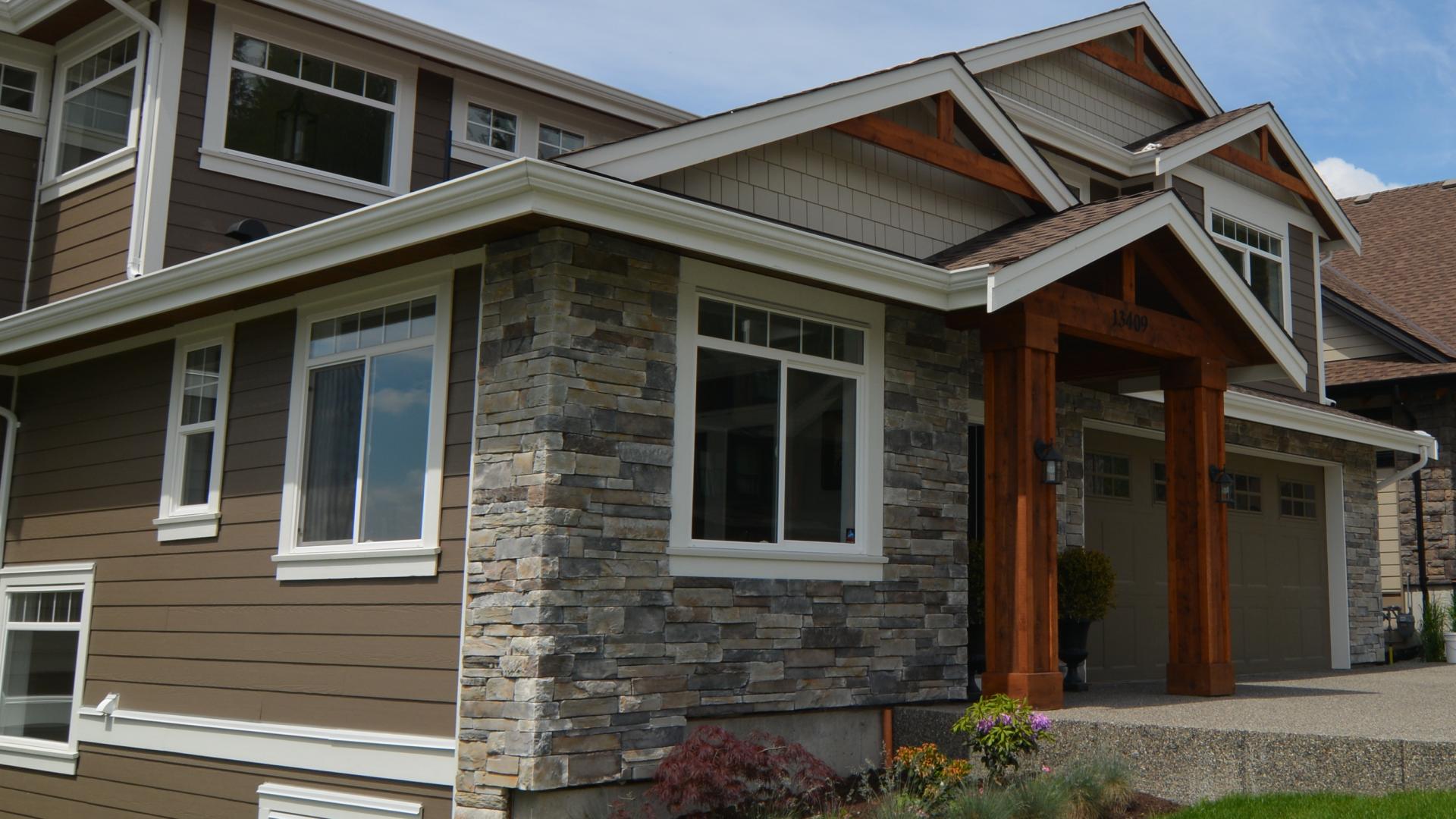
This includes, but is not limited to:
- Additions, renovations and/or repairs to existing structures with up to 6 units
- Alterations to structural components
- Changes of use
- Additions, renovations and/or repairs to a legal suite within an existing dwelling
- Decommissioning a secondary suite
- Finishing a basement
- Addition, renovation, repairs or removal of a deck
- Converting a carport to a garage, or carport/garage into additional living space
All proposed renovations must comply with the current BC Building Code, Maple Ridge Building Bylaw, Maple Ridge Zoning Bylaw and other applicable bylaws, rules and regulations.
How to Apply for a Home Improvement Permit
Review our checklists prior to applying for a Home Improvement Permit.
Consider the following as this may impact your proposed improvement:
Construction Value Exceeds 50% of Assessed Value
When the construction value of the proposed work exceeds 50% of the BC Assessment Authority assessed value of the building, a fire sprinkler system will need to be installed throughout the entire dwelling.
The Engineering department will need to review to assess sewer, water and storm systems to ensure their capacity is adequate.
Houses Constructed Prior to 1990
A hazardous materials assessment will need to be completed for houses constructed prior to 1990 to identify asbestos and other hazardous materials commonly used in construction prior to that date. Contact WorkSafeBC for more information on this matter.
Heritage Designated Properties
If your property has been designated a heritage property, please contact Planning staff for more information at Planning@MapleRidge.ca or 604-467-7341. See our Heritage Conservation page for additional information.
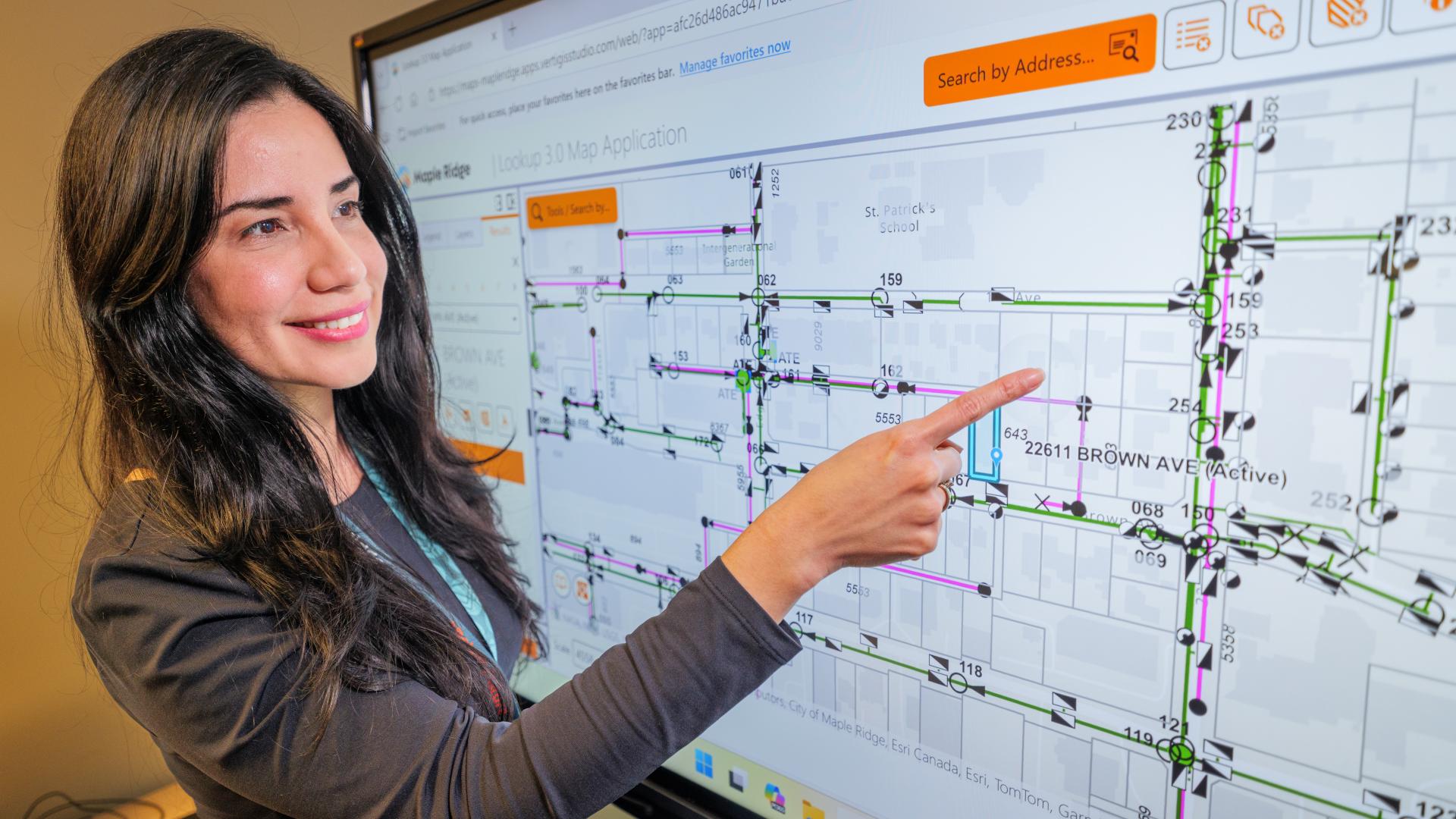
Building Permit Revision
Online Application
Specific Improvement Project Types
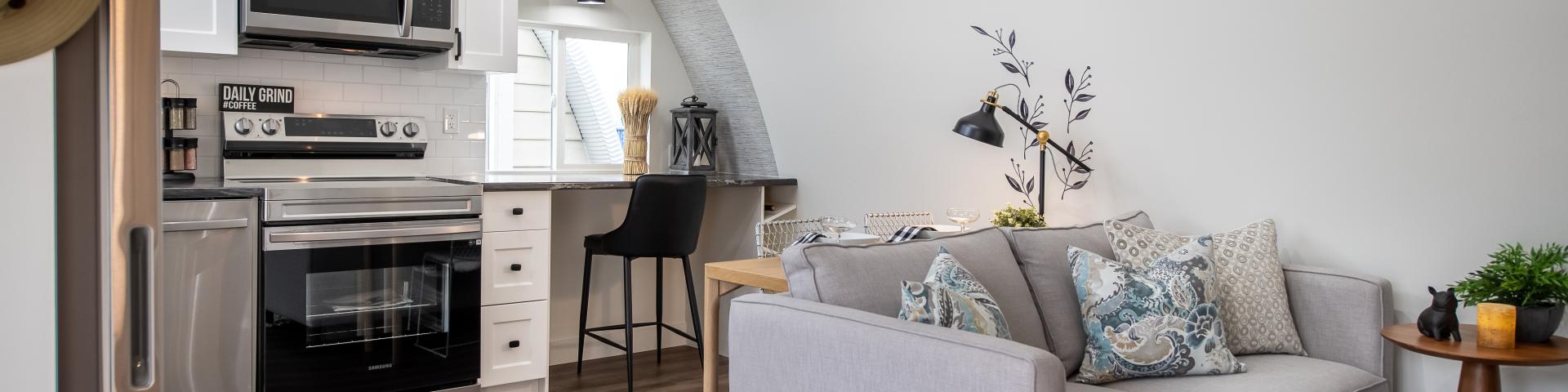
Secondary Suites (Additions and Decommissioning)
A Secondary Suite is a self‑contained dwelling unit located inside a principal residence. Suites must meet zoning, safety, and BC Building Code requirements to be considered legal. If you are considering adding a Secondary Suite to your primary residence, you are encouraged to consult the Secondary Suites brochure, which outlines key regulations, design expectations, and submission requirements.
The Urban Infill Residential Use may now permit a Secondary Suite in homes in which they were not previously permitted. Property owners are required to bring the Secondary Suite into compliance with the current BC Building Code by submitting a Building Permit application.
Secondary Suites are permitted in single detached, two-unit (duplex), and triplex residential buildings subject to meeting the BC Building Code regulations. They are counted as a dwelling unit and need to be considered when designing for the maximum number of dwelling units permitted on a lot. Secondary suites must remain registered under the same title as the primary dwelling unit in which they are contained and cannot be stratified.
A Secondary Suite cannot exceed 40% of the total Gross Floor Area of the principal residential building in which it is located.
Regulations pertaining to Secondary Suites can be found in Section 402.24 of the Zoning Bylaw.
Do I Need a Permit for a Secondary Suite?
A Building Permit is required for the following improvements, including but not limited to:
- Adding a kitchen
- Adding or altering bedrooms
- Installing new plumbing or electrical
- Creating required fire separation
- Modifying windows for egress
Decommissioning a Secondary Suite
This Decommissioning Second Dwelling Guide and Decommissioning Checklist explains the basic steps required to remove a Secondary Suite that was built without permits, or to deactivate a suite that current or future property owners no longer wish to keep.
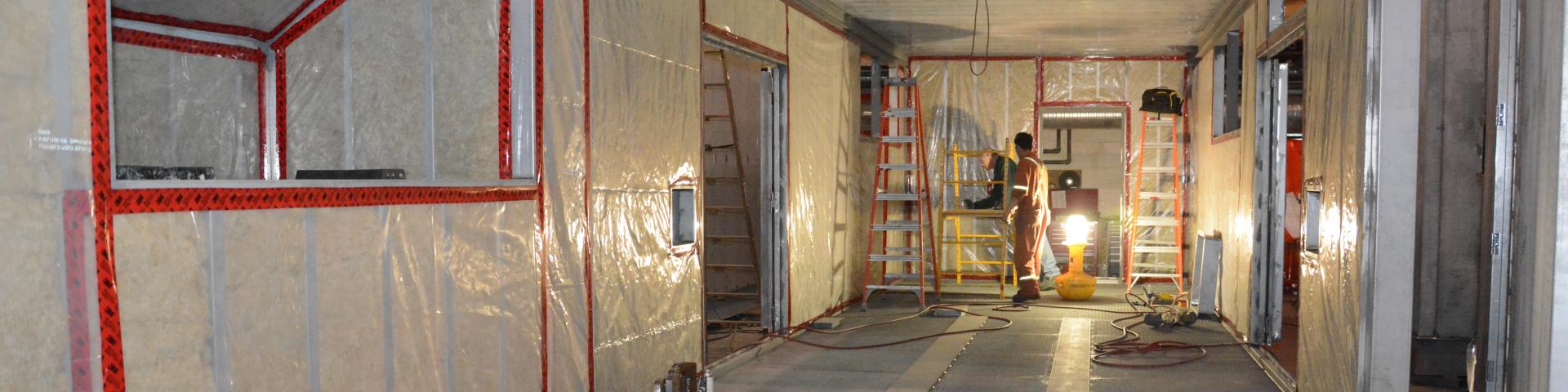
Finishing a Basement
Finishing a basement can add bedrooms, bathrooms, recreation rooms, or storage areas to the functional living space. If you are considering finishing your basement, you are encouraged to consult the City’s Basement Finish Permit Application Guide, which outlines key regulations, design expectations, and submission requirements.
Do I Need a Permit to Finish My Basement?
A Building Permit is required for the following improvements, including but not limited to:
- Adding bedrooms
- Adding or relocating plumbing
- Changing structural walls
- Modifying windows for egress
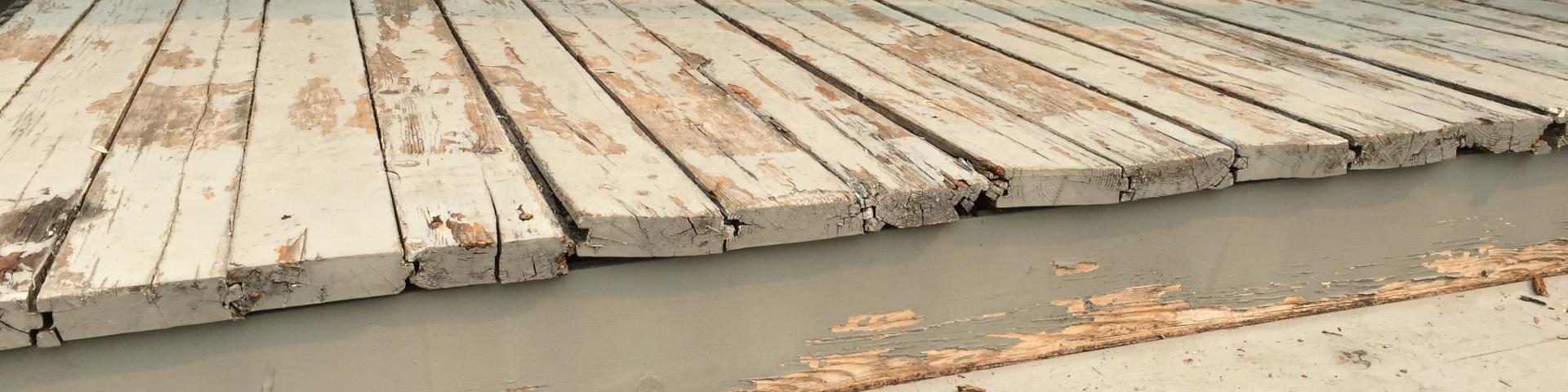
Decks (Addition or Renovation)
Do I Need a Permit to Add or Renovate a Deck to My Structure?
A Permit is required for construction, renovation, demolition, or alteration of a deck.
Paper submissions will begin with reviewing the Residential Deck Guidelines.
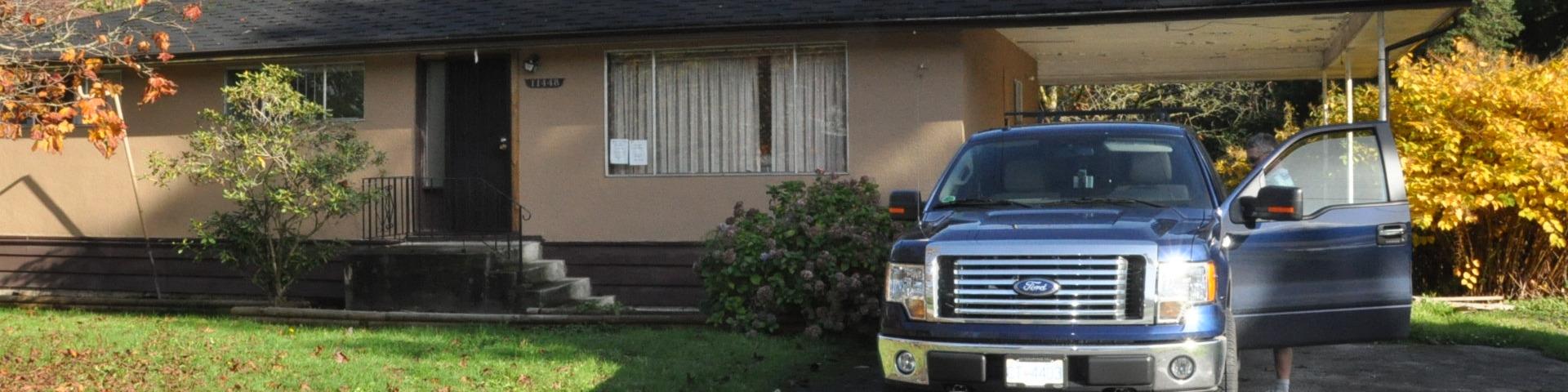
Carport or Garage Conversions
Converting a carport into a garage, or a carport/garage into living space requires careful review of structure, insulation, and parking requirements. If you are considering a conversion, you are encouraged to consult the City’s A Guide to Convert Carport to Garage or Carport Garage to Living Space which outlines key regulations, design expectations, and submission requirements.
Do I Need a Permit to Convert My Carport or Garage to a Living Space?
A Building Permit is required for the following improvements, including but not limited to:
- Enclosing the space with new walls or doors
- Adding insulation or heating
- Adding plumbing or electrical
- Removing required parking space from dwelling


