
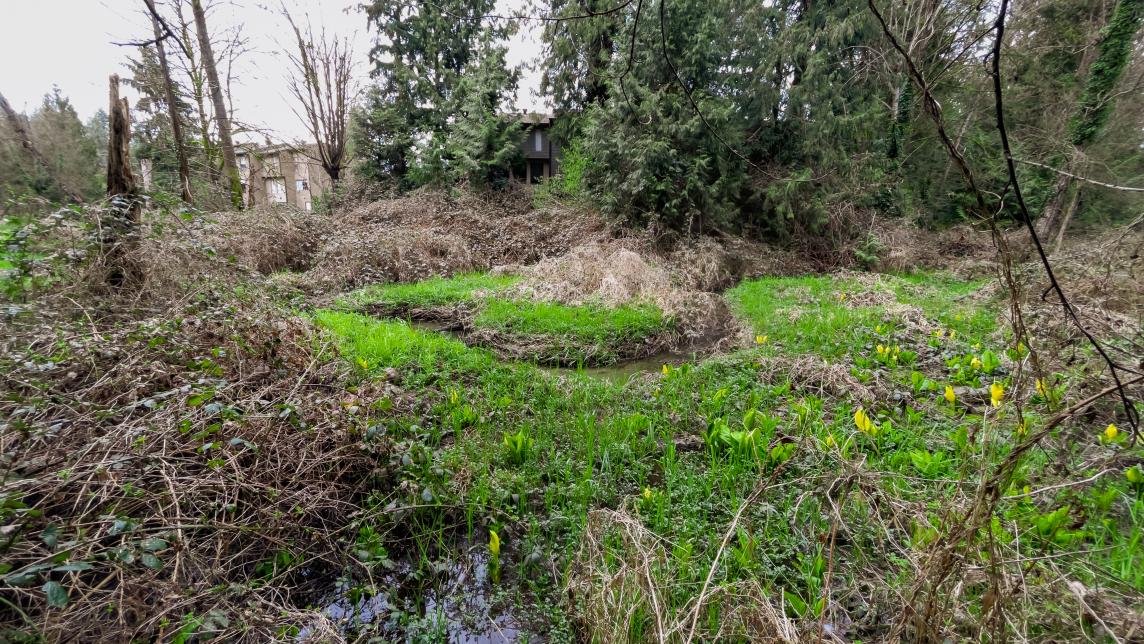
Maple Ridge, B.C. – July 31, 2026 – The City of Maple Ridge is advancing key actions that support the City’s Climate Action Plan, Resilient Future 2050, with work underway to strengthen flood resilience, modernize environmental protection and restore McKenney Creek.
At its July 28 meeting, Council approved a new Floodplain Management Bylaw, an update to the City’s Environmental Management Framework, and the McKenney Creek Restoration and Enhancement Plan to support a more coordinated approach to climate adaptation, watershed health, natural asset protection, public safety and long-term community resilience.
“These actions are about protecting people, property and the natural systems that make Maple Ridge unique,” said Mayor Dan Ruimy. “By advancing our environmental planning, policies and bylaws, we are taking practical measures on the City’s Climate Action Plan by strengthening flood protection and improving how we protect sensitive environmental areas, including restoring McKenney Creek.”
The three initiatives include:
- Floodplain Management Bylaw – Establishes a flood hazard management framework, designates floodplain areas, sets flood construction levels and setbacks for new construction, regulates fill placement in flood-prone areas and creates a clear process for considering site-specific exemptions. It addresses flood risks from the Fraser River, Alouette River system, steep creek watercourses and groundwater-related flooding.
- Environmental Management Framework Update – Modernizes how the City applies environmental protection requirements when considering development proposals while maintaining Maple Ridge’s “meet and exceed” approach to provincial environmental standards. The update will improve clarity, consistency and predictability for residents, applicants, builders, Qualified Environmental Professionals and staff.
- McKenney Creek Restoration and Enhancement Plan – Provides a long-term framework to restore McKenney Creek and improve watershed health and strengthen the community’s connection to the Creek. The plan identifies actions related to rainwater management, water quality treatment, drainage improvements, riparian restoration, habitat enhancement, fish passage, invasive species management, monitoring and adaptive management.
The three initiatives are being advanced together to support better environmental decision-making, clearer development processes and stronger protection for natural systems as Maple Ridge prepares for future growth and climate impacts.
“These are the kinds of actions that help communities adapt to a changing climate, more intense storms, increasing temperatures, and development pressures,” said James Stiver, Director of Planning and Building. “The work will also help staff and applicants make better, more consistent decisions by providing clearer technical requirements for development and a stronger foundation for environmental and hazard management.”
Implementation Plan and Next Steps
Floodplain Management Bylaw - Next steps include staff training and providing technical guidance for applicants and Qualified Professionals, including requirements for flood hazard assessments and information related to construction in areas with groundwater-related flood risk.
Environmental Management Framework - The work will be completed in phases. The first phase will roll out in the coming weeks with updated Terms of Reference, submission templates, plain-language guidance, flow charts, website information, staff training materials and a risk-based review pathway. A future phase will include updates to Development Permit Area guidelines, exemptions, mapping and implementation procedures, with public engagement as part of the associated Official Community Plan amendment process.
McKenney Creek Restoration and Enhancement Plan – Council directed staff to proceed with phased implementation of the McKenney Creek Restoration and Enhancement Plan, subject to future business planning, budgets, technical studies, regulatory requirements, partnerships and future Council approvals where needed. The plan considers current creek conditions, future development pressures and climate impacts such as more intense storms, drought, increasing temperatures, and related effects on stream health. Recommended actions include stream restoration, riparian protection, invasive species management, fish passage and culvert assessments, water quality and streamflow monitoring, rainwater and stormwater management, drainage improvements, green infrastructure and public education. The plan also supports opportunities to strengthen community connections with McKenney Creek through stewardship and improved access, fostering a sense of shared responsibility and care. By encouraging the community to actively participate in watershed stewardship, the plan recognizes that the long-term health of the Creek and the well-being of the community are connected and mutually supportive.
The City’s Climate Action Plan, Resilient Future 2050, focuses on reducing emissions and preparing Maple Ridge for climate impacts already being felt across the region, including heavier rainfall events, flooding, extreme heat, drought, and the associated impacts to natural ecosystems.
For more information about climate action, floodplain management and environmental protection in Maple Ridge, visit MapleRidge.ca/ClimateAndEnvironment.
- 30 -
Media Contact
Pardeep Purewal, Senior Manager Corporate Communications and Public Engagement
T 604 466 4319 C 778 955 4249
E Media@MapleRidge.ca